Amazon Q UX Architecture
How I scaled design decisions and resources to support an organization of designers.
Background
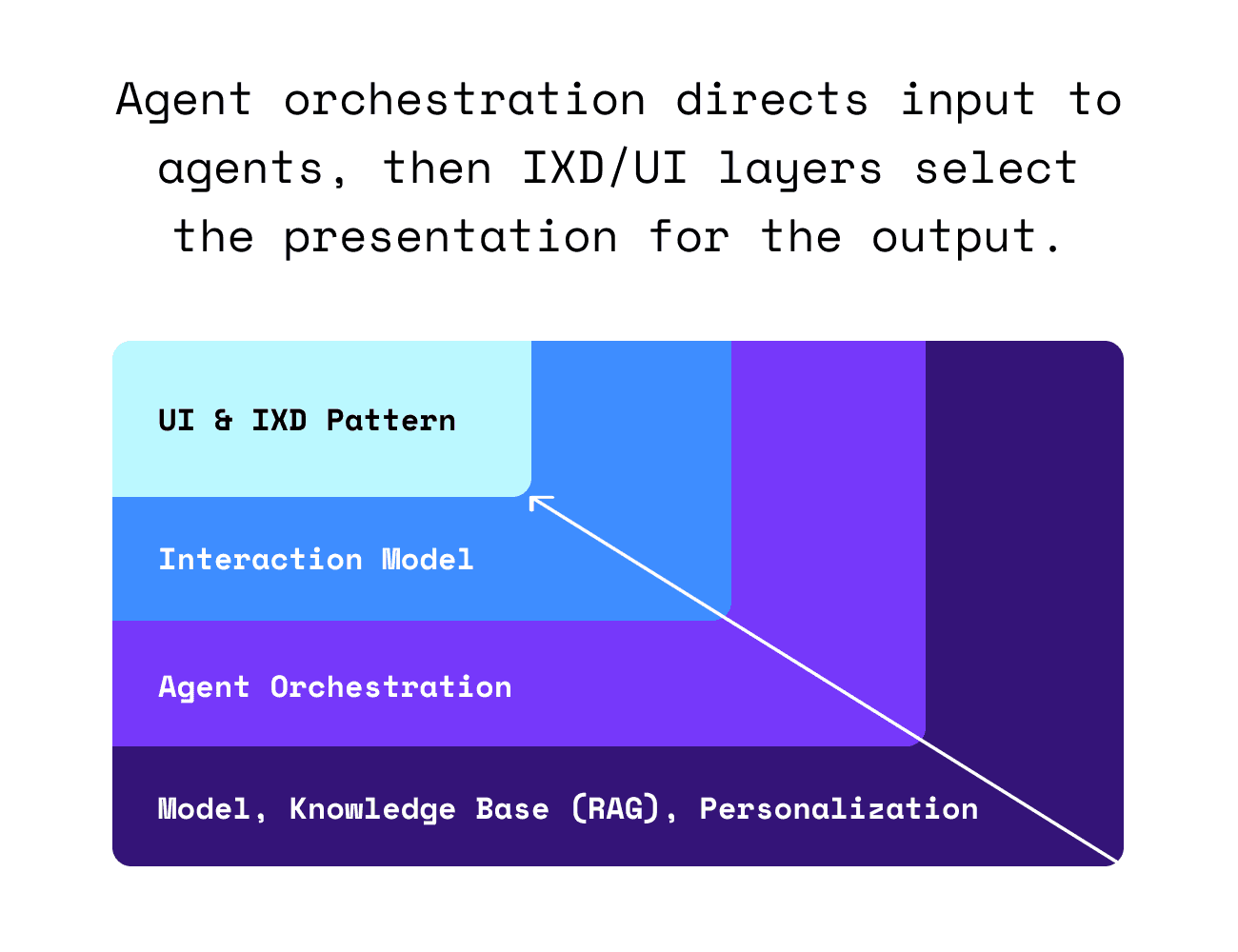
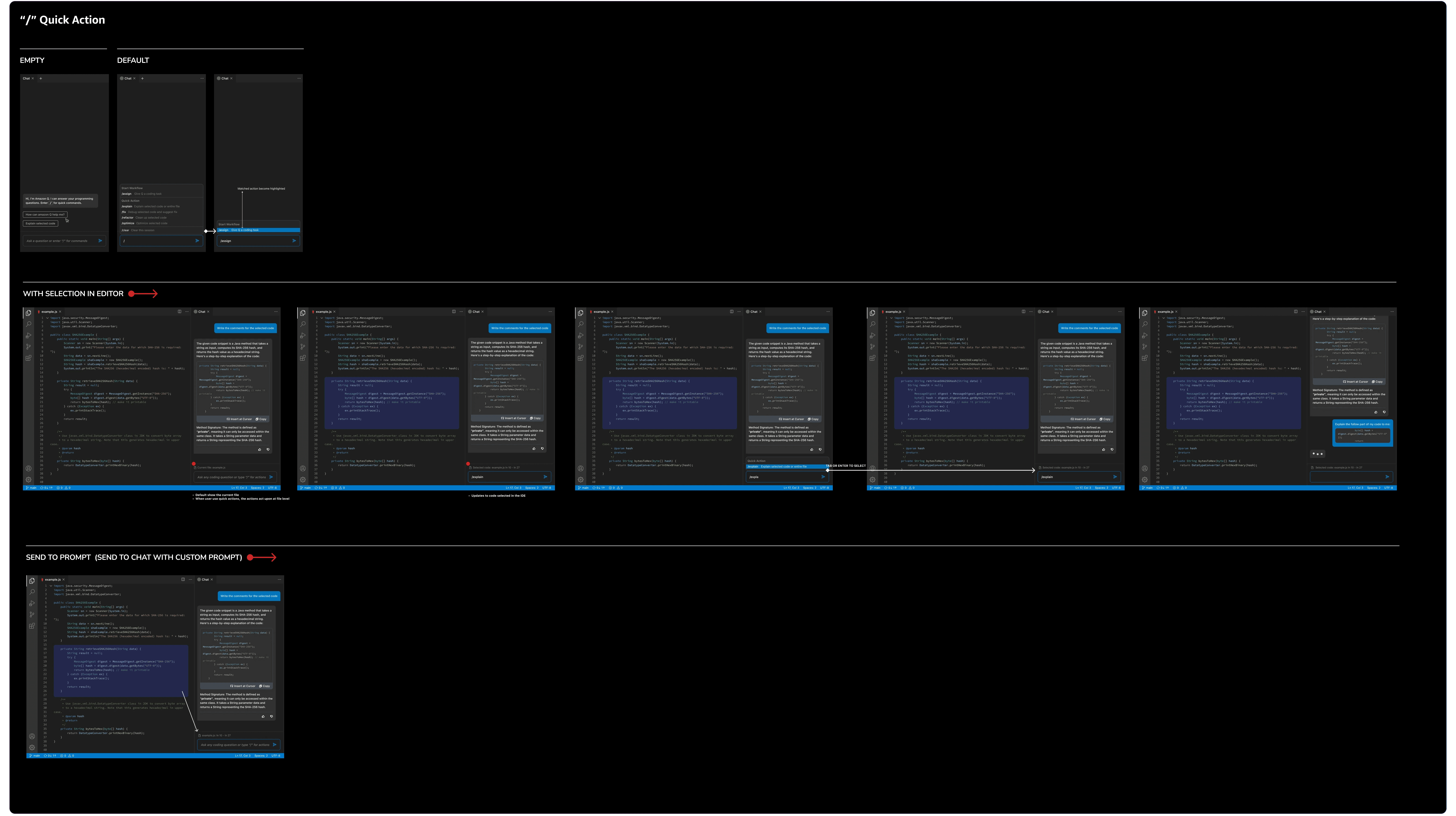
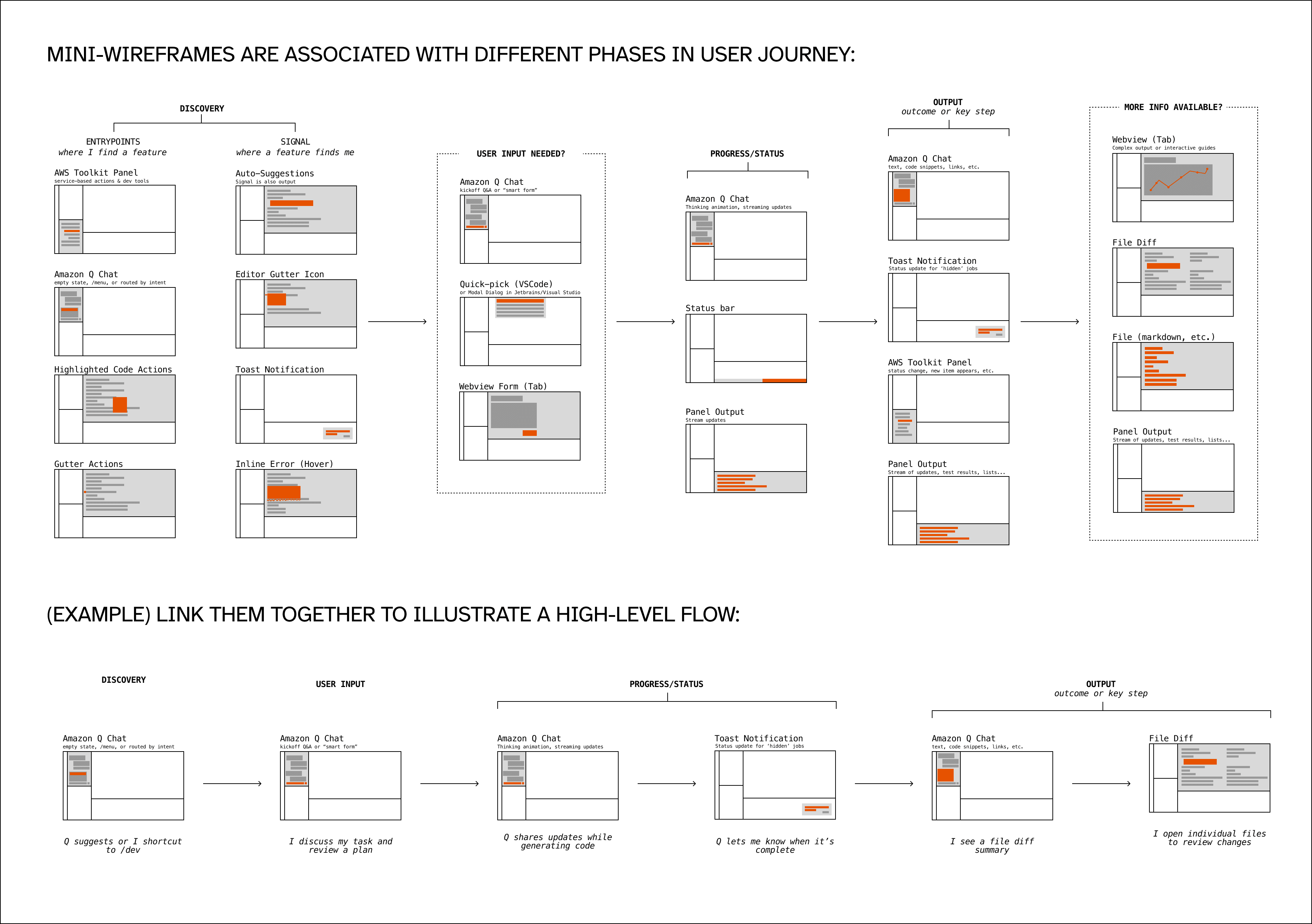
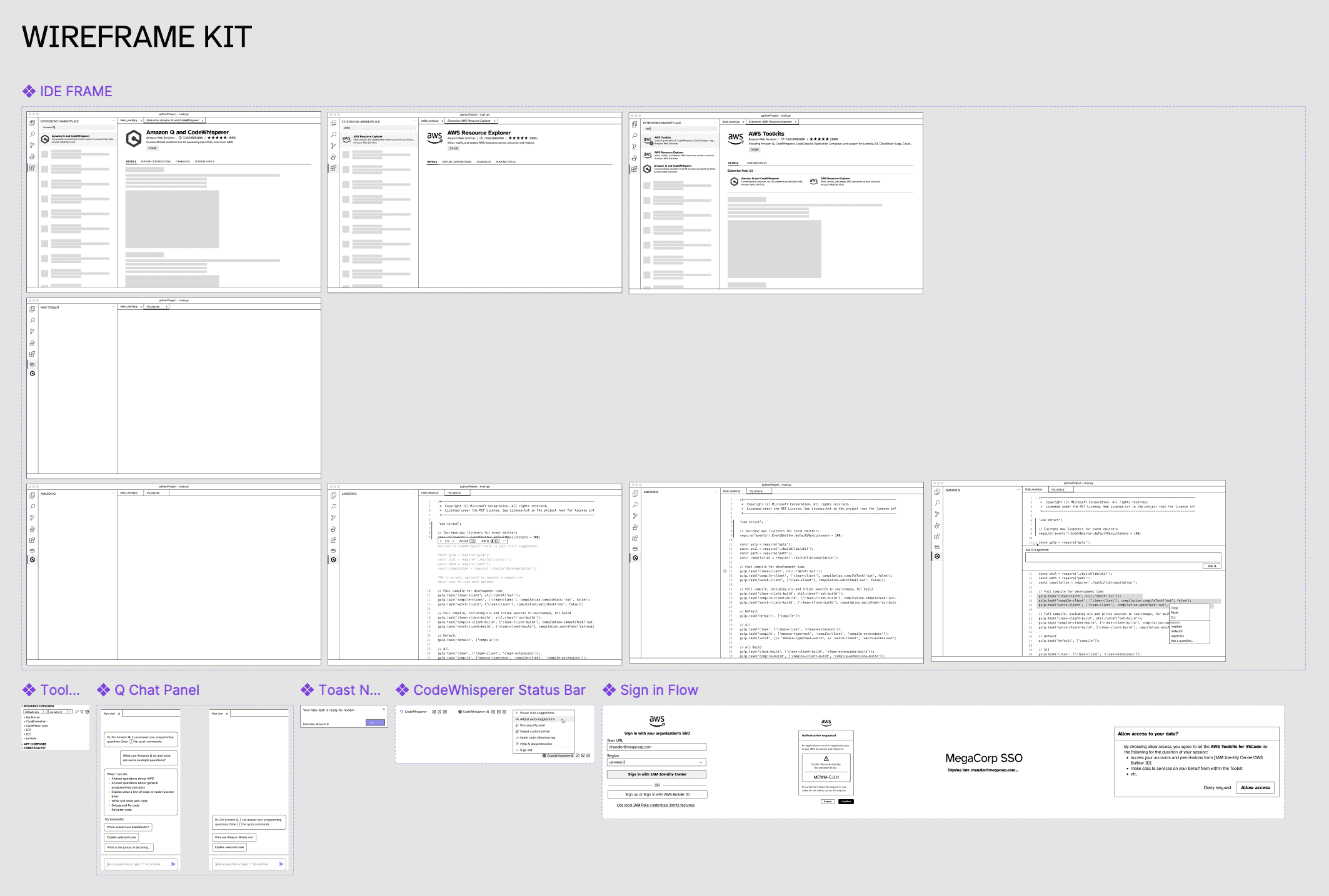
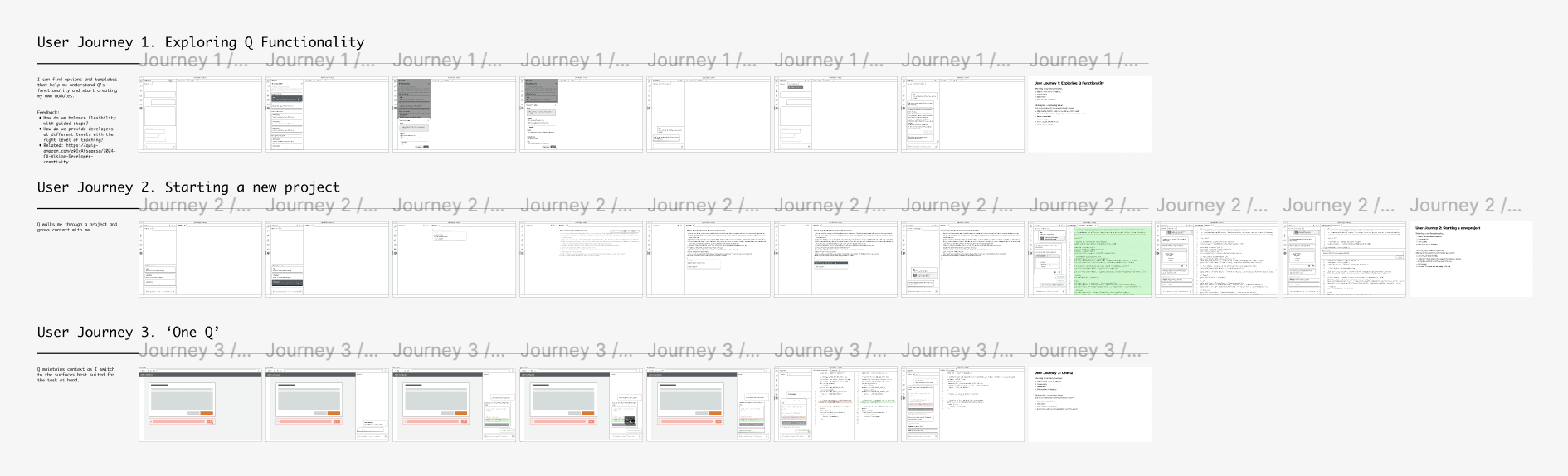
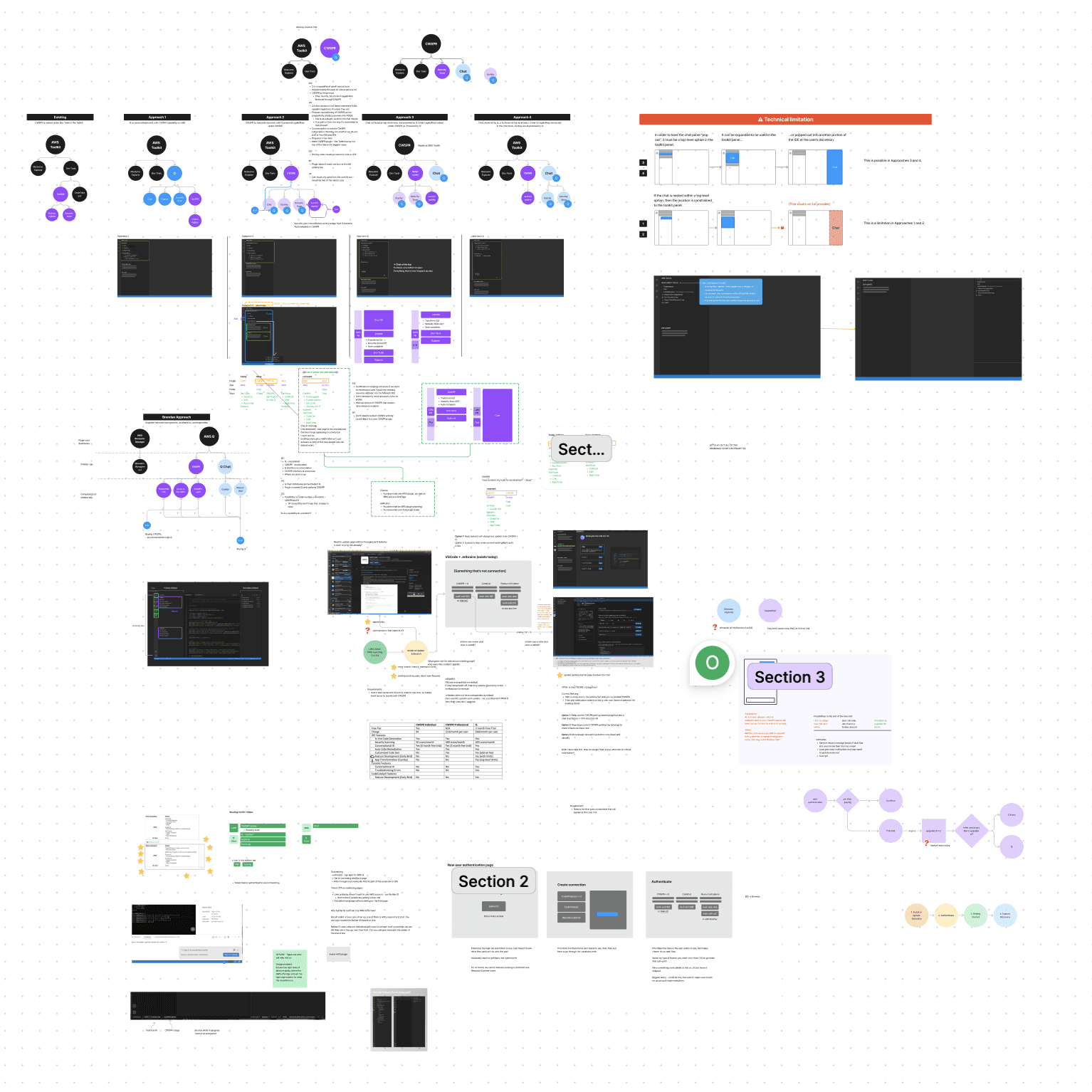
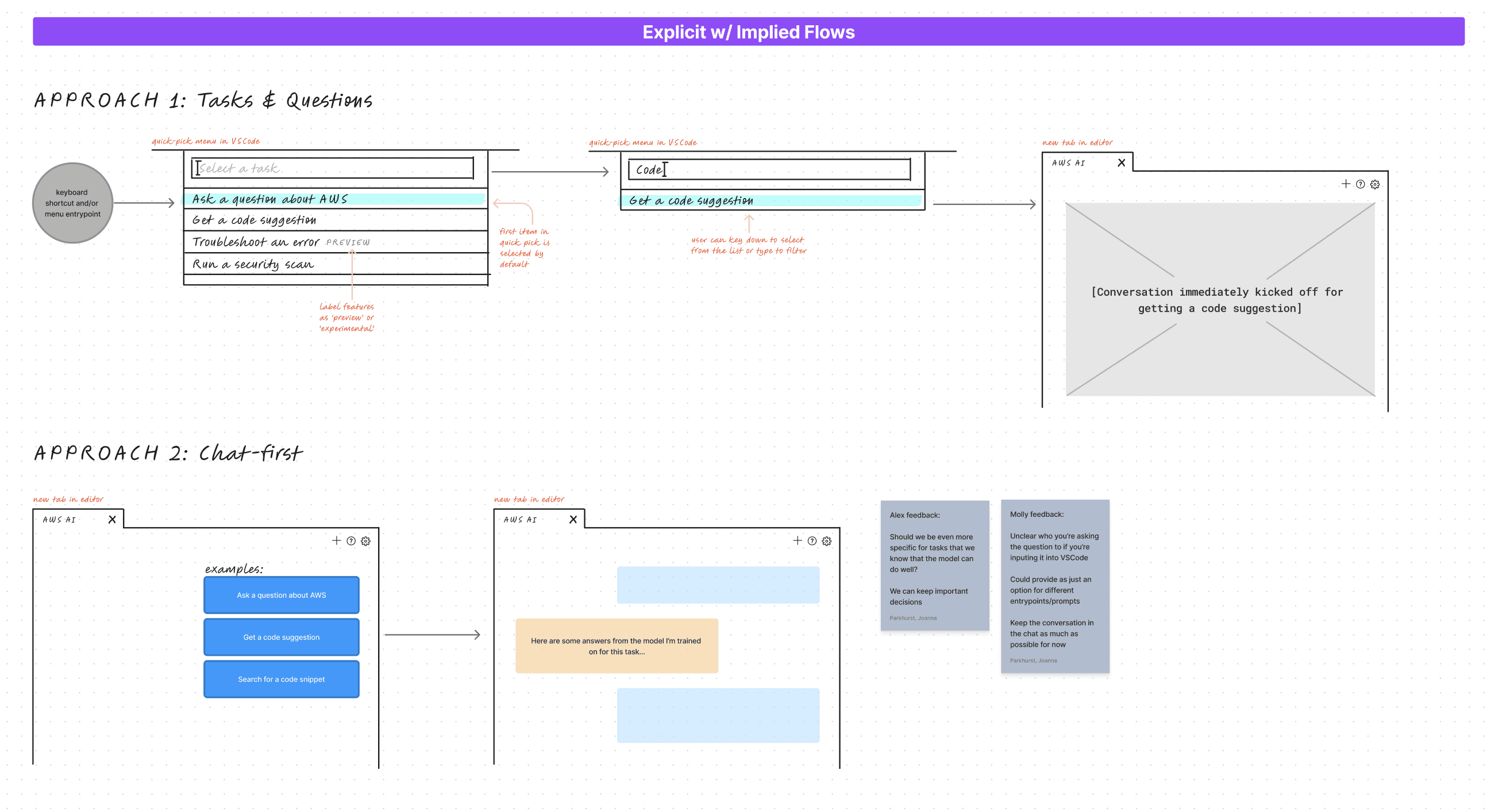
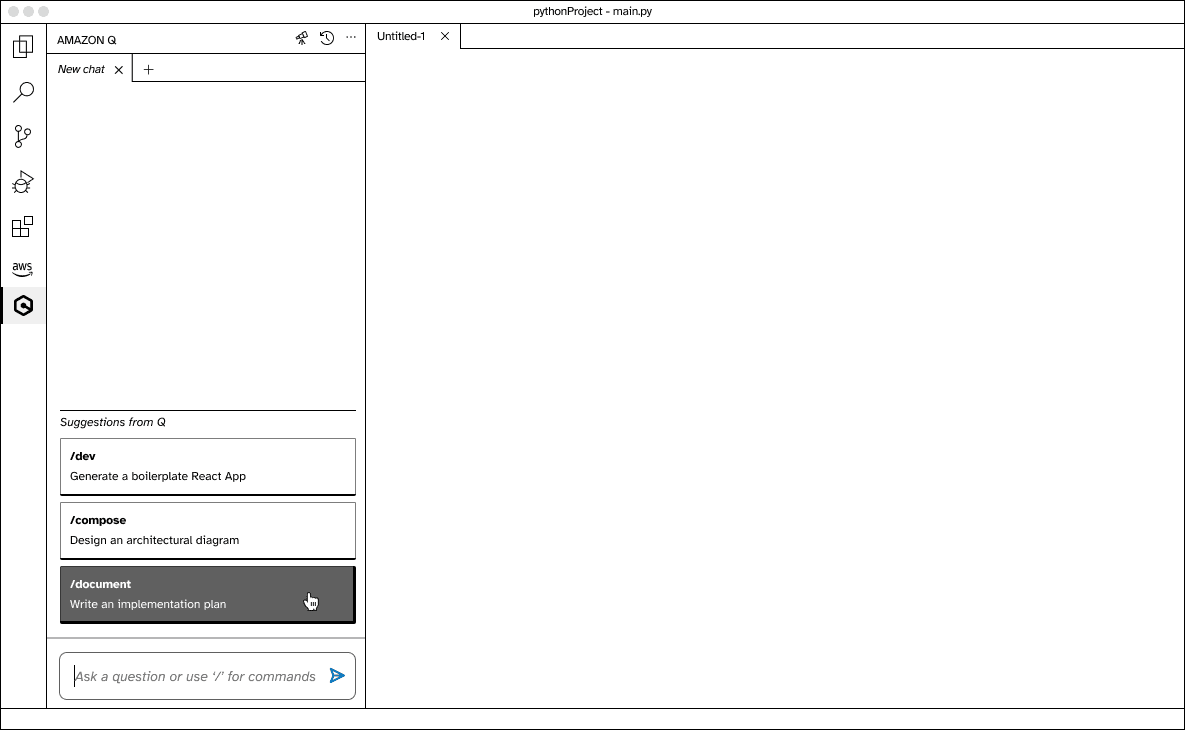
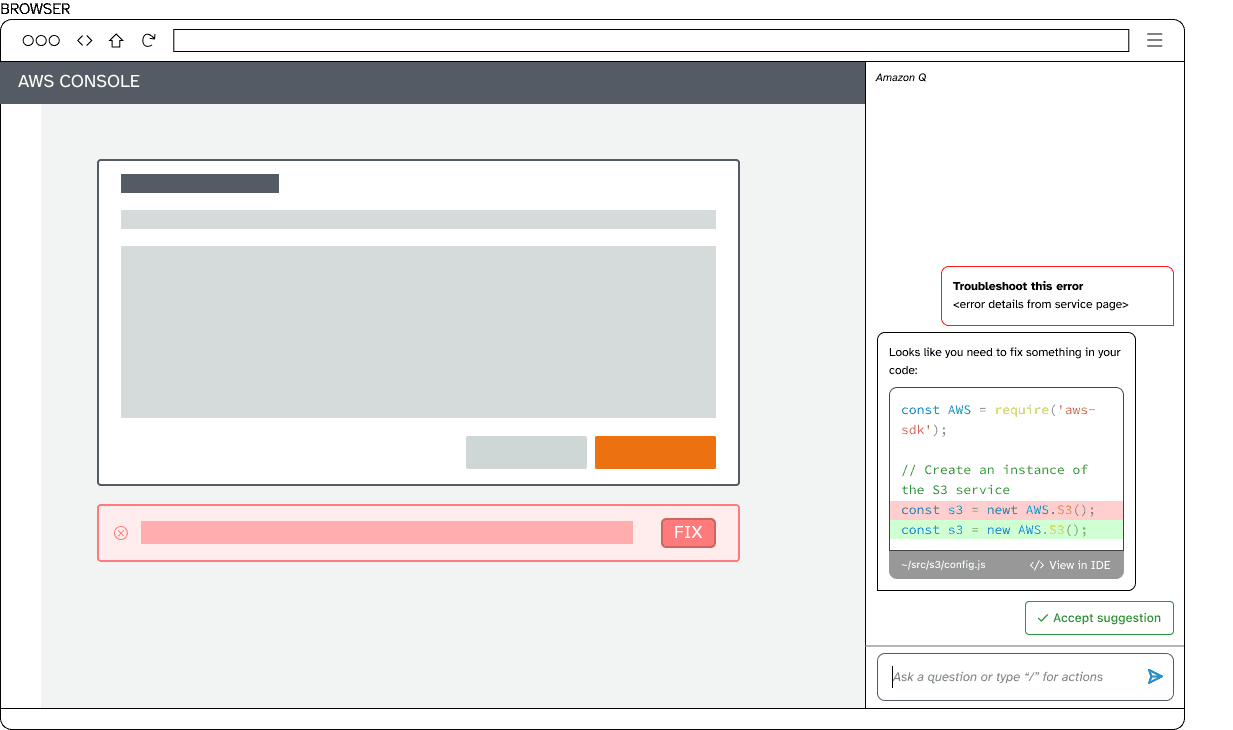
After launching Amazon Q's initial code-generation features, I saw growing interest from teams wanting to integrate — and developed a UX Architecture strategy to scale thoughtfully. Working with Product, Engineering, and Science stakeholders, I created wireframes and journey maps. The strategy focused on promoting product cohesion, accelerating team adoption, fostering a stronger UX culture, and enabling scalability through shared design elements, terminology, and documentation.
Approach
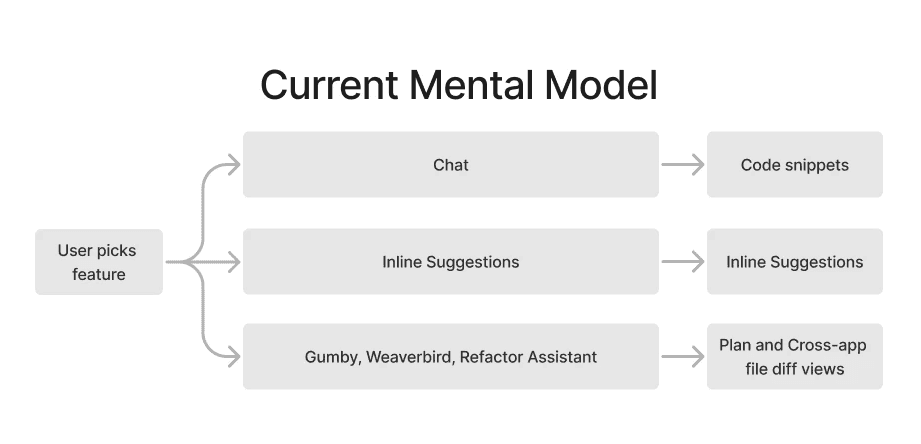
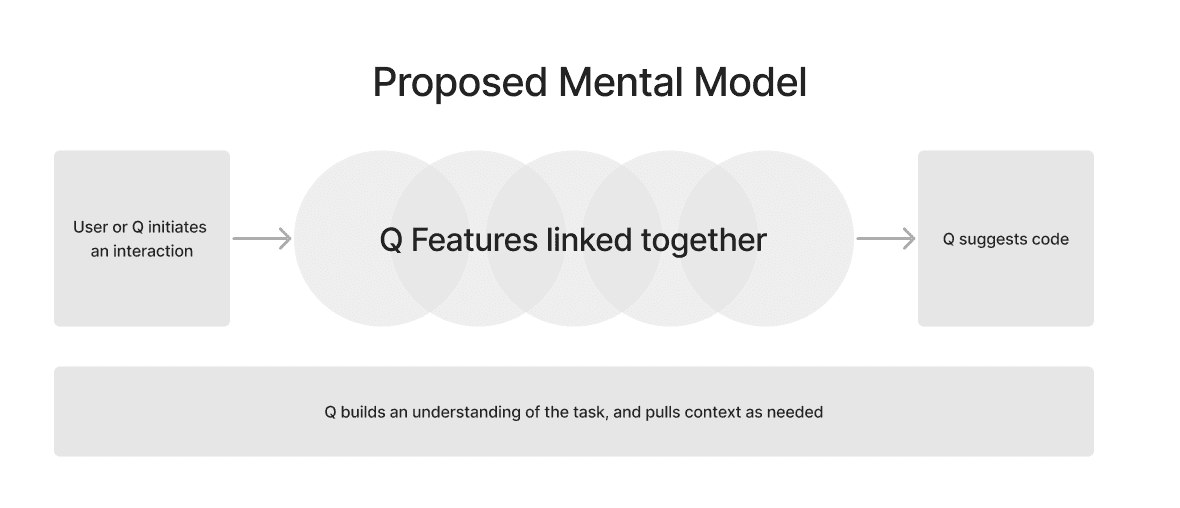
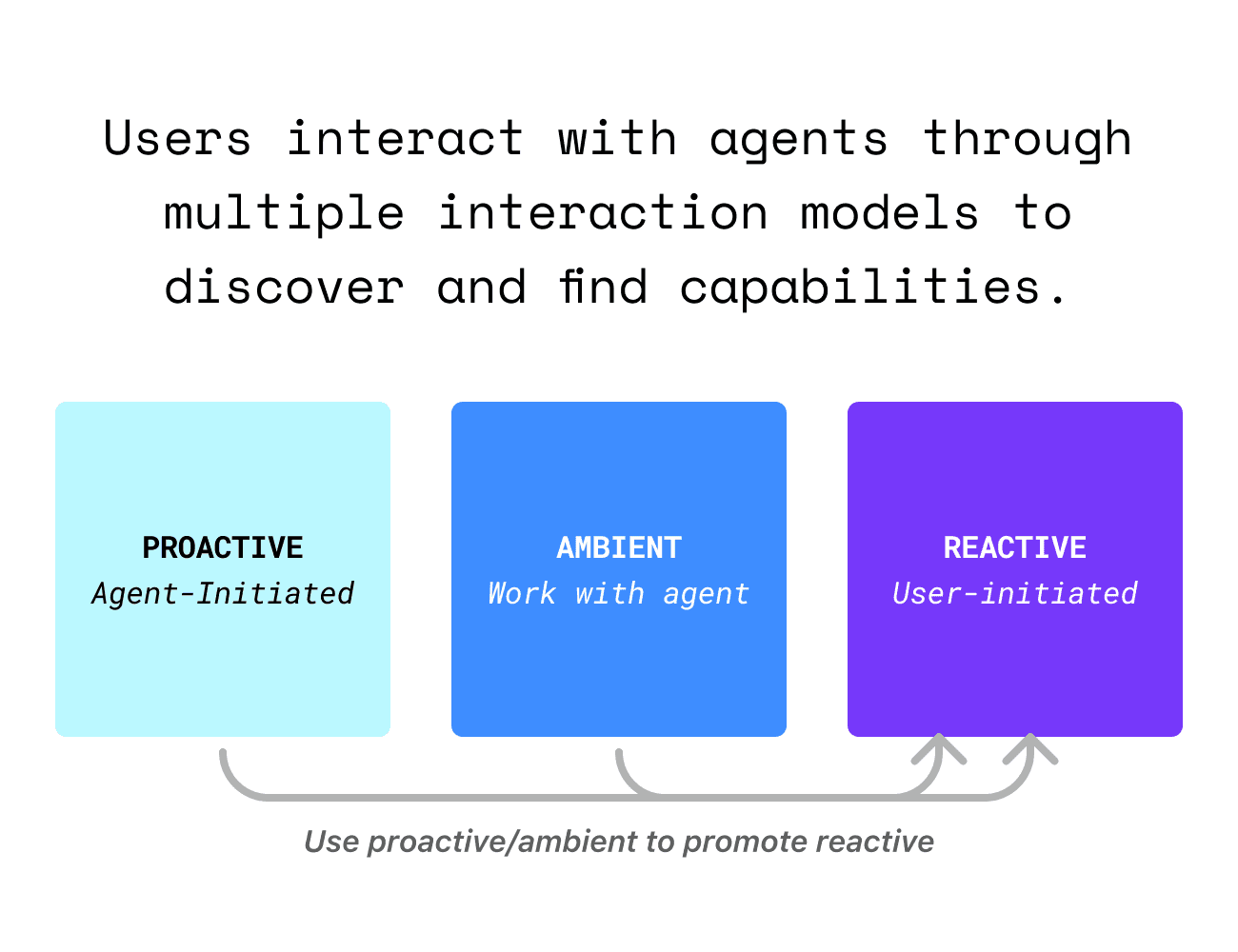
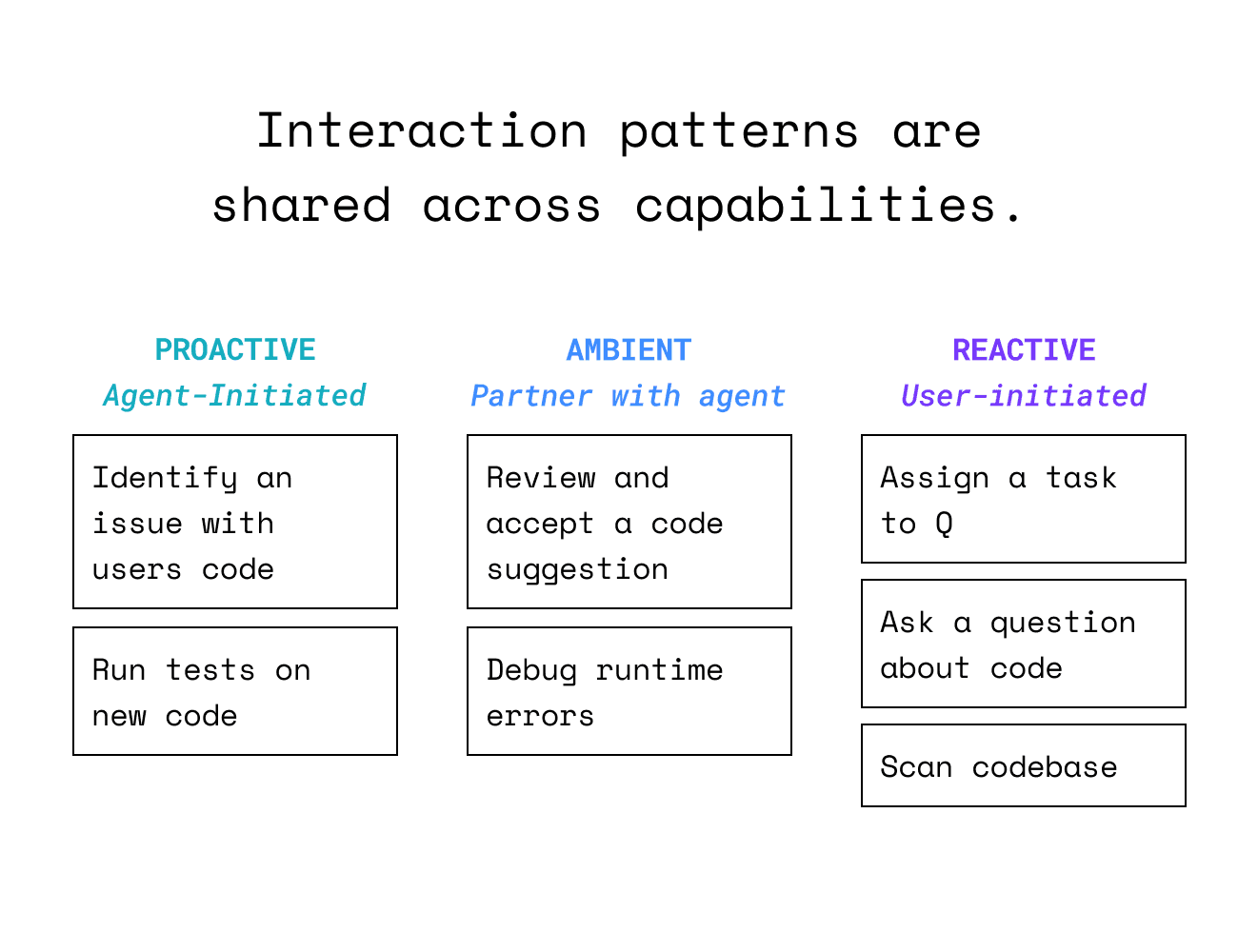
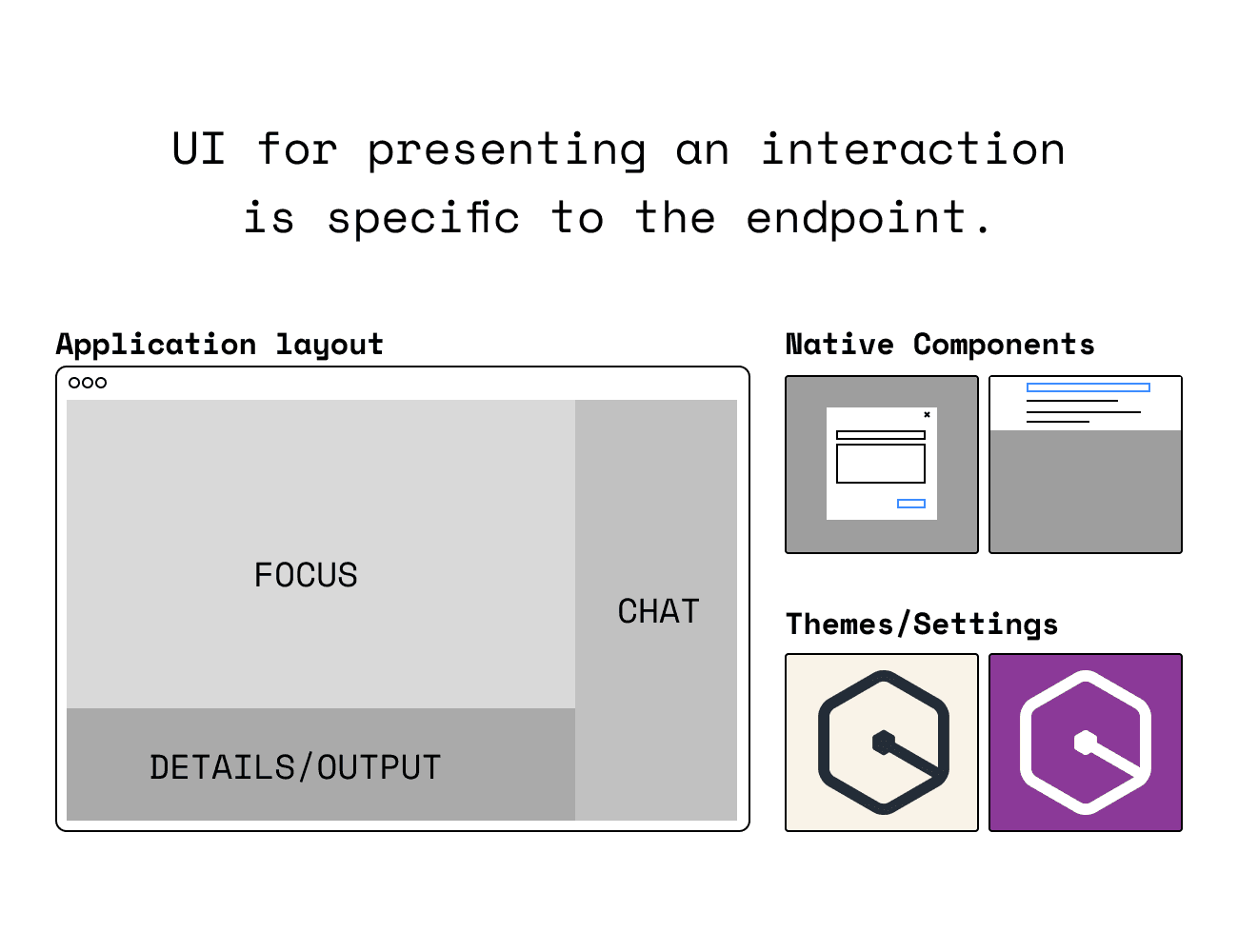
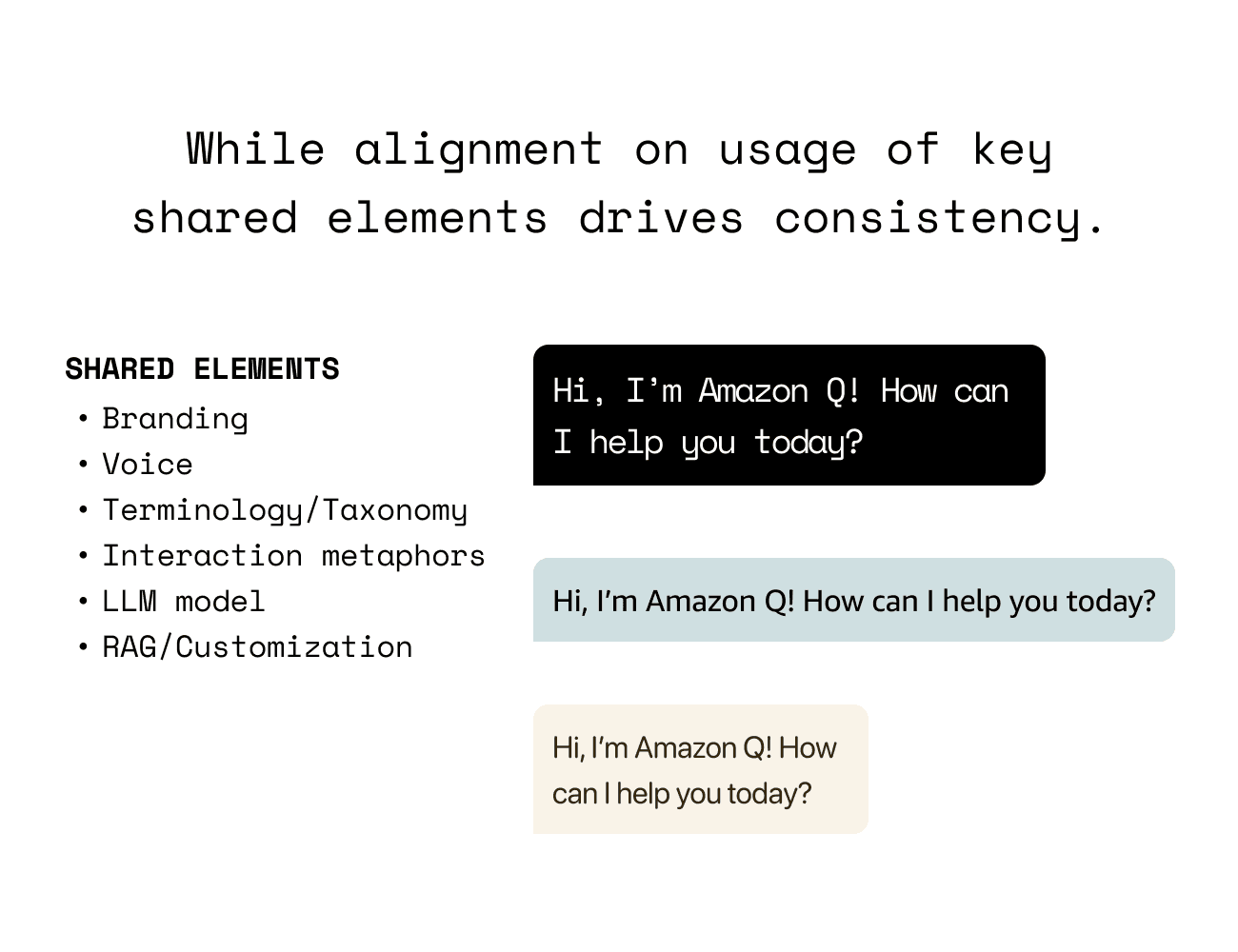
I addressed how to cohesively communicate Q's capabilities as one narrative — analyzing existing AI research, then running my own mental-models study with open-ended questions and card sorting. A key finding: customers wanted specific, practical applications of AI to enhance their existing workflows, rather than end-to-end solutions. This informed an architecture defining where consistency was needed versus where teams had flexibility.

Results
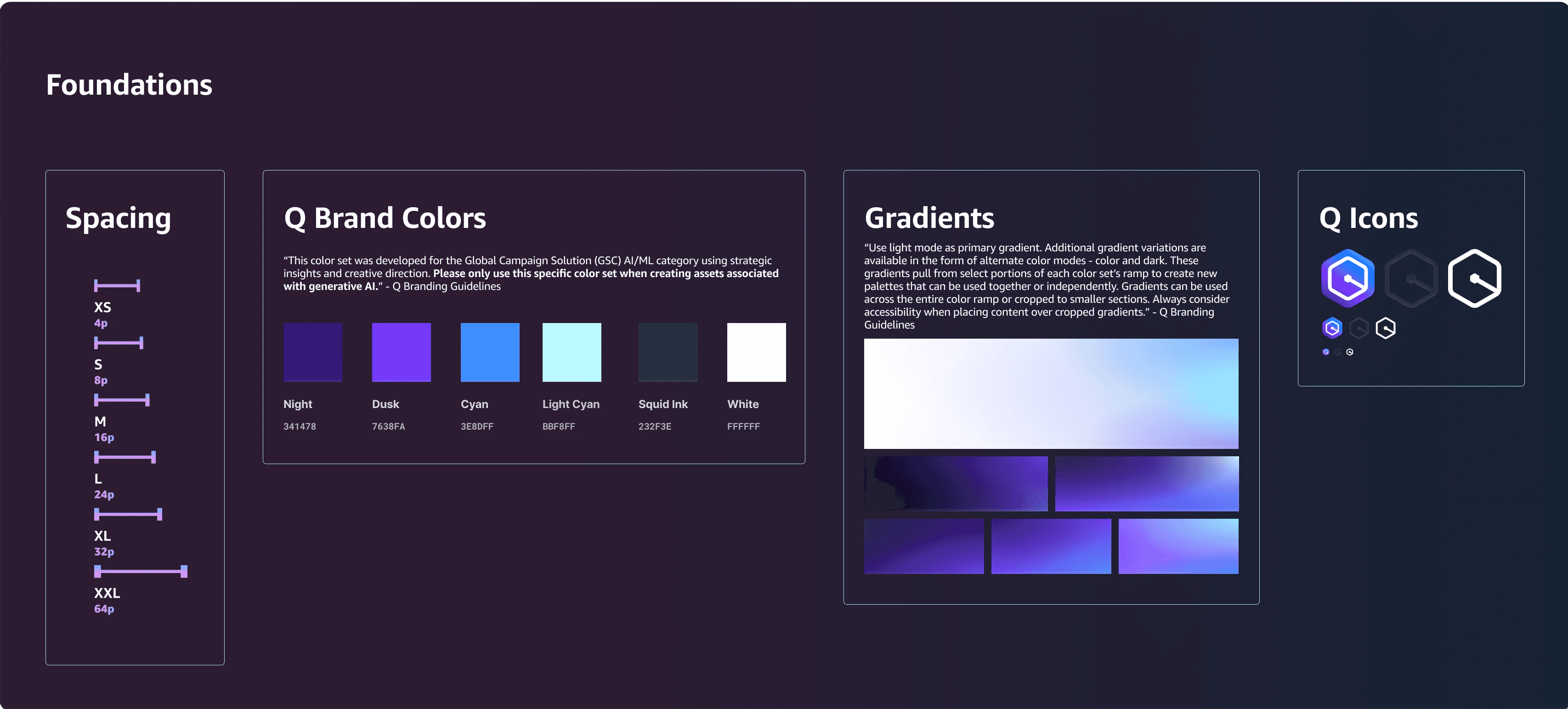
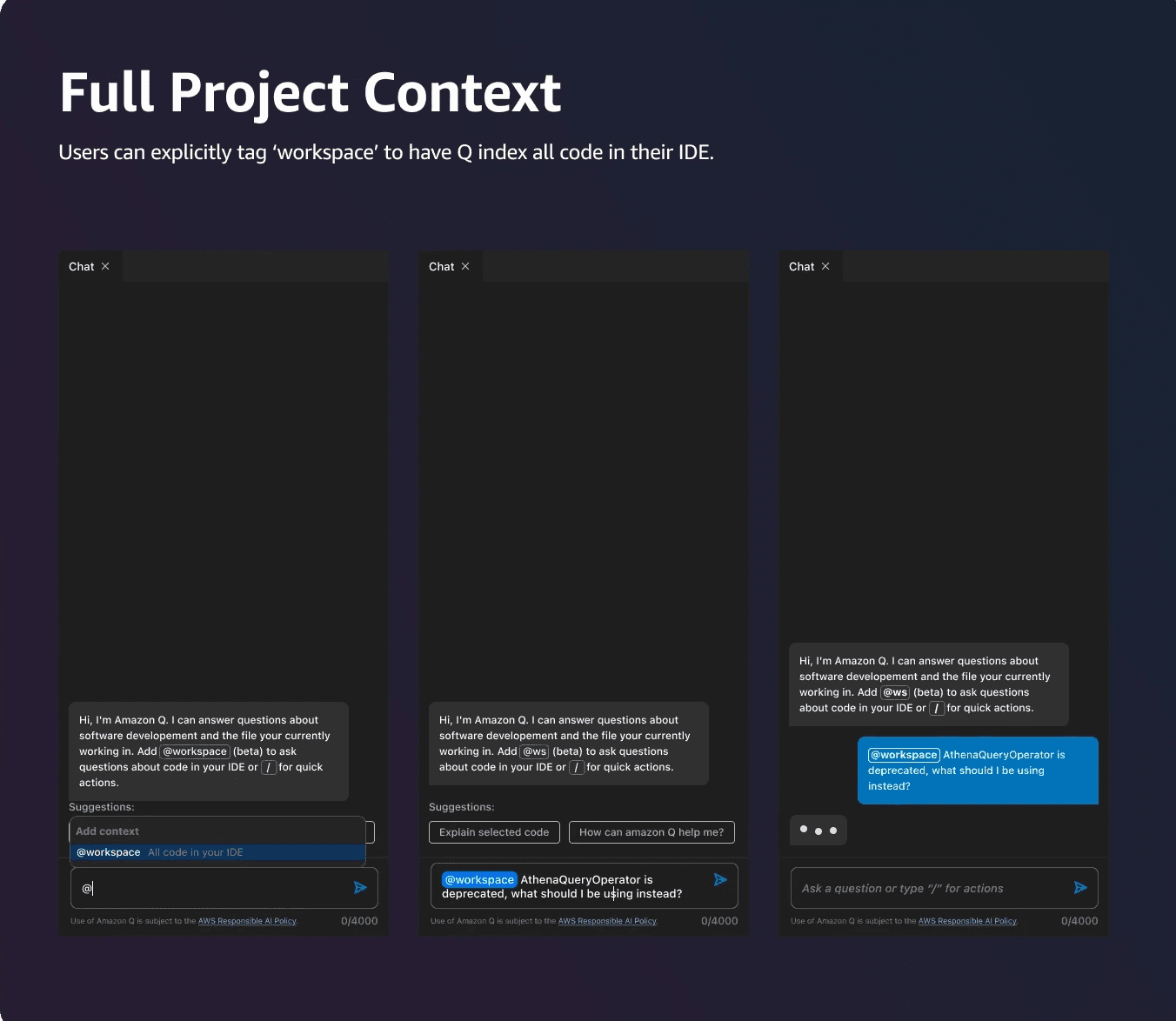
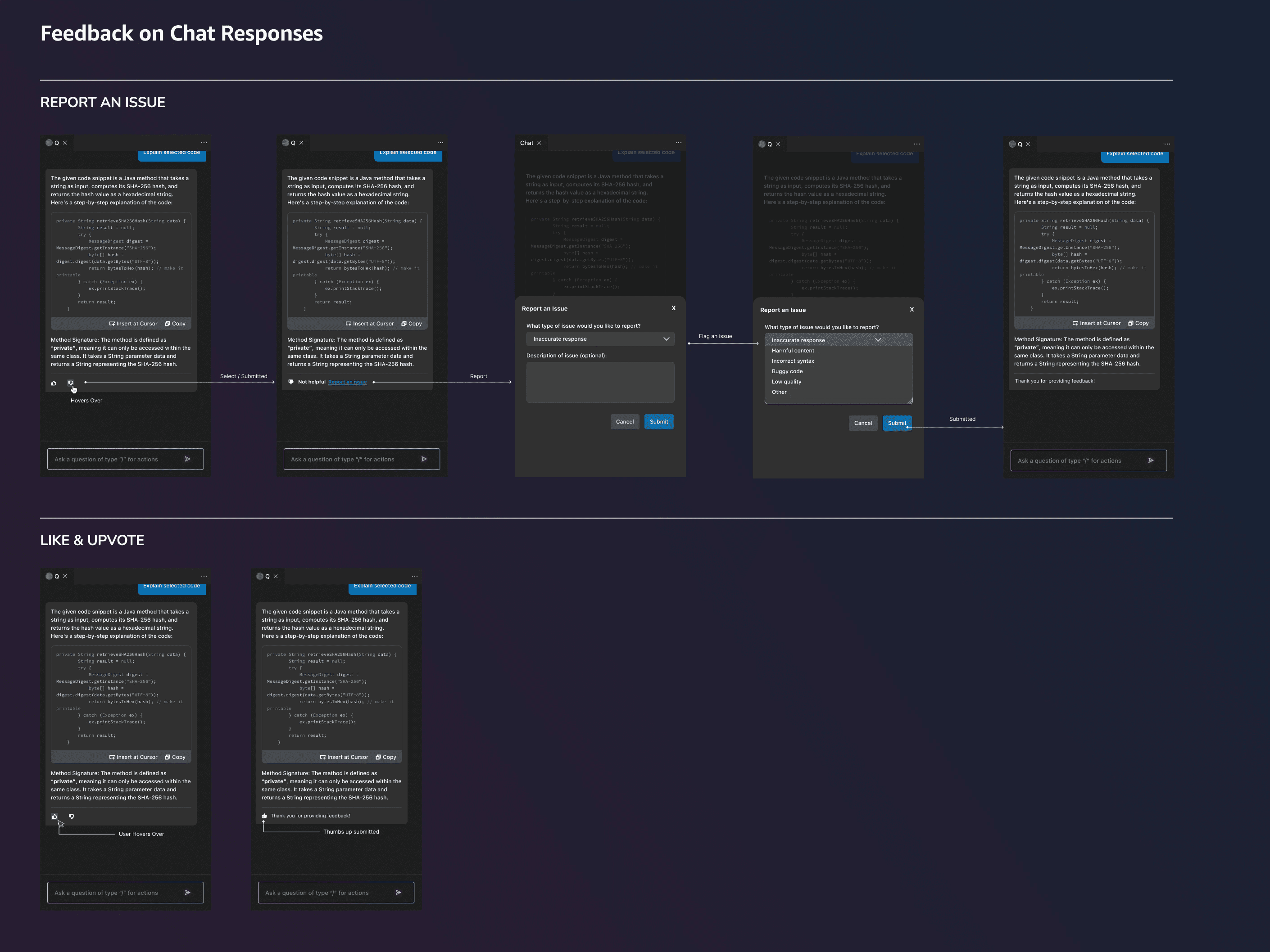
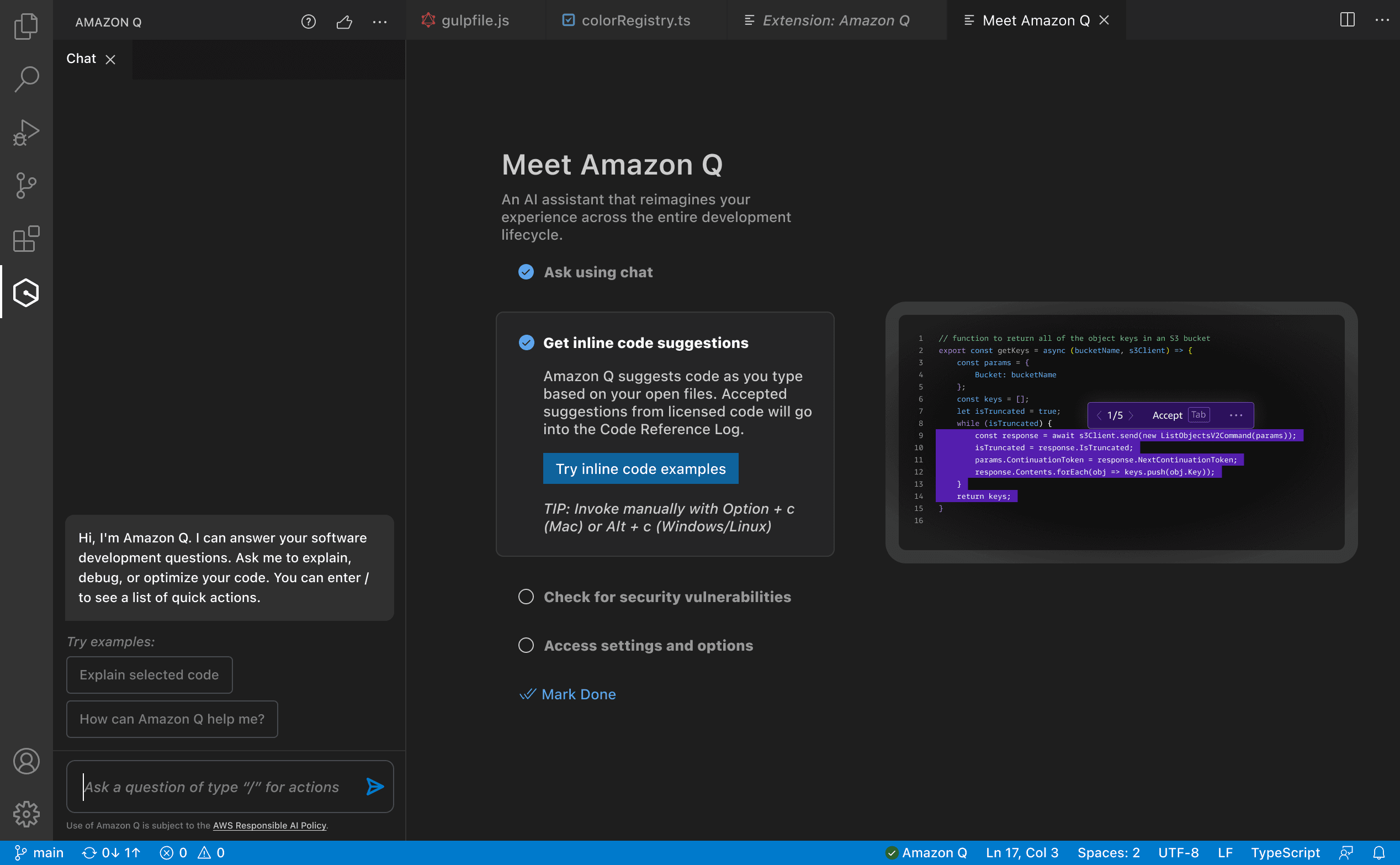
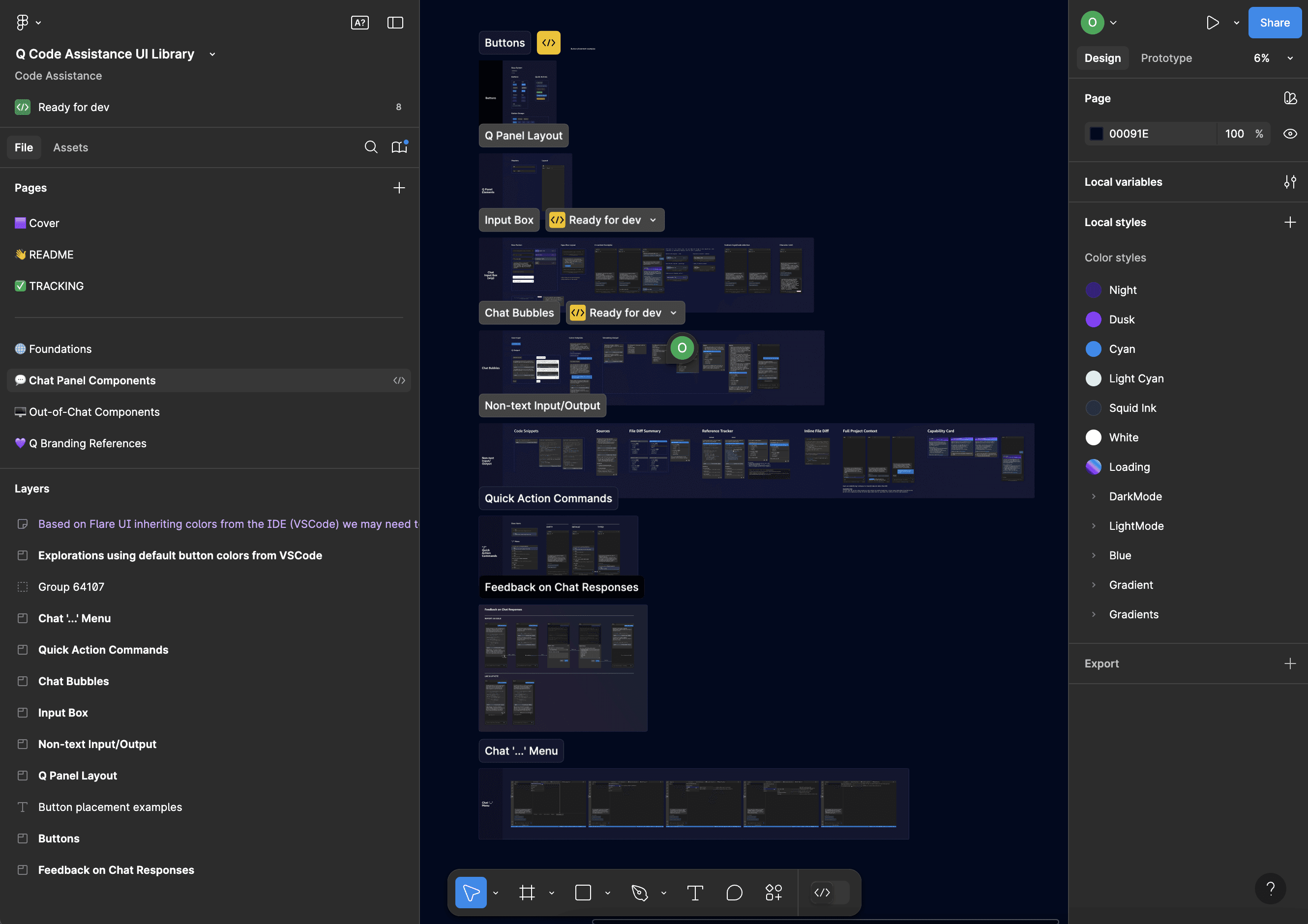
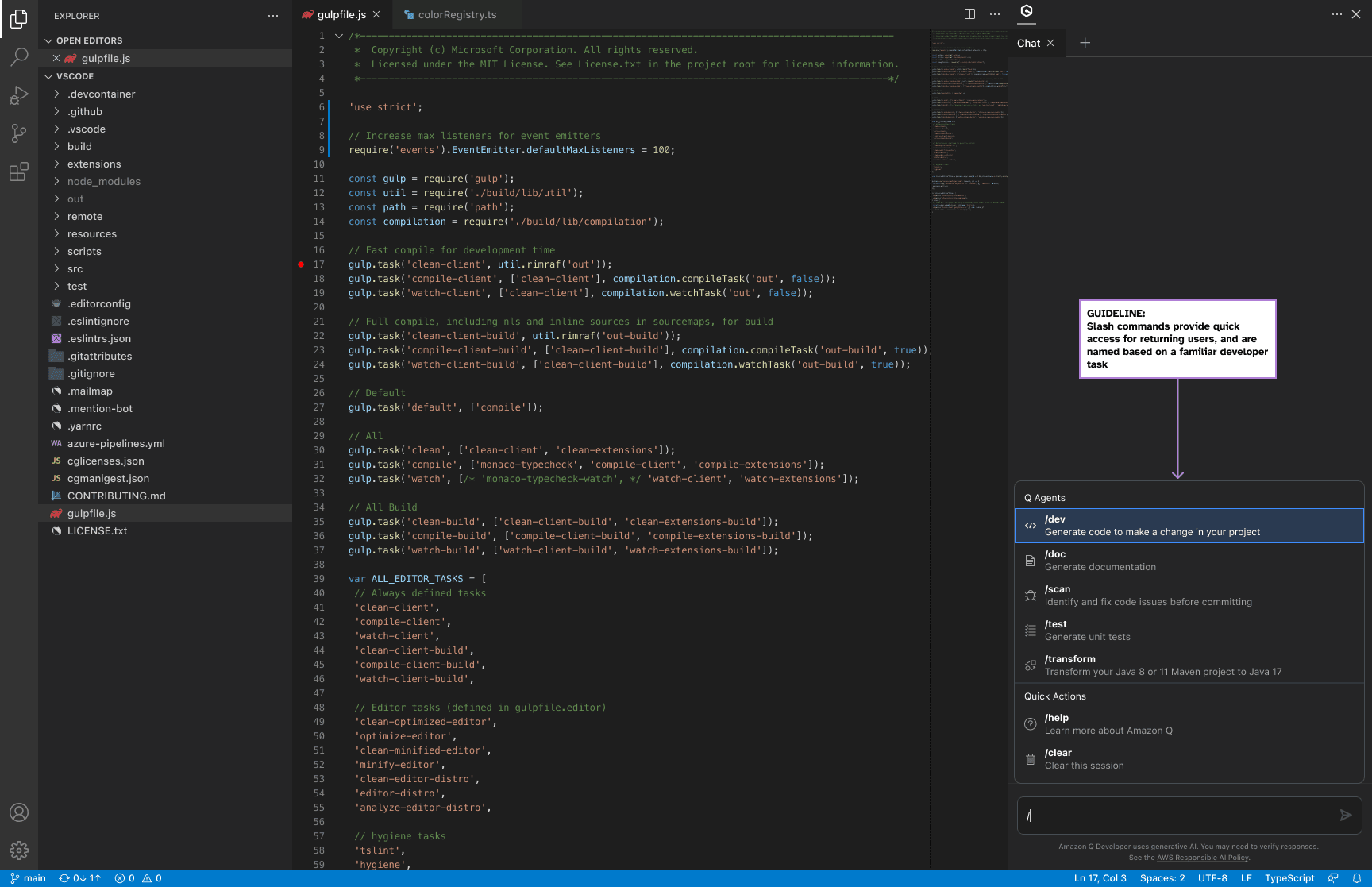
With a partner designer, I built a Figma library of reusable components and worked with a front-end engineer on a demo site (mynah-ui) — letting designers experience interactions while engineers accessed production-ready components. I also created a UX Guidelines wiki pointing teams to authoritative artifacts, plus ongoing initiatives: weekly office hours, onboarding integration, and regular pattern reviews. The system has proven to be both stable and flexible, though its growth will require ongoing dedication and refinement.